herb masters
24.4.22 SciSchmooze
Greetings Science Reasoning Readers,
These are amazing times to be alive. Humans have done fairly well for the last 300,000, or so, years. It seems that as we have become more numerous we have had to increase our resourcefulness and understanding of how things work. Many amazing things have been invented and discovered. Now after a few hundred years of
4.15.2024 another taxing day Hello Science Fans and Acceptors, I hope everyone had a chance to see the last week’s eclipse in one form or another. I was fortunate enough to see it with a few thousand people in Torreon, Mexico. They were in the park that surrounds the Planetarium in Torreon. It was great to experience it with a bunch of astronomy loving high schoolers who had been working for months with staff to collaborate with the
Bob Siederer Hello again Science fans! Are you ready for the big eclipse? It may be my imagination, but I don’t think there was this much press and excitement fo
Bob Siederer Hello again Science Fans! I’m filling in for David this week (and next). For those of you who celebrate, Happy Easter! More about Time In my February 25 SciSchmooze, I went into a discussion about time. There was one error (that I know of) in that discussion where I said how there was a two week difference between the start of Daylight Savings Time here in the US versus Europe, with them making the change later than us. The difference is actually three weeks, with Europe changing to Daylight time early this morning. They will return to st
Hello again Science fans and welcome to another SciSchmooze! There are 87 events on the calendar over the next two weeks. My picks include: Herb Masters Hello Science, Reason, and Irish for a day (or more), Inclined Readers, I’m going to go much lighter this week. Last week was loaded with a lot of links and content. I missed it last week but Feb 11 it was International Day of Women and Girls in Science. I personally think
Hello Supporters of Science and Reason Some recent news has sent me down a new path of questioning what we think we know, how we think we should react and why we should. Can Intellectual Humility Save Us from O
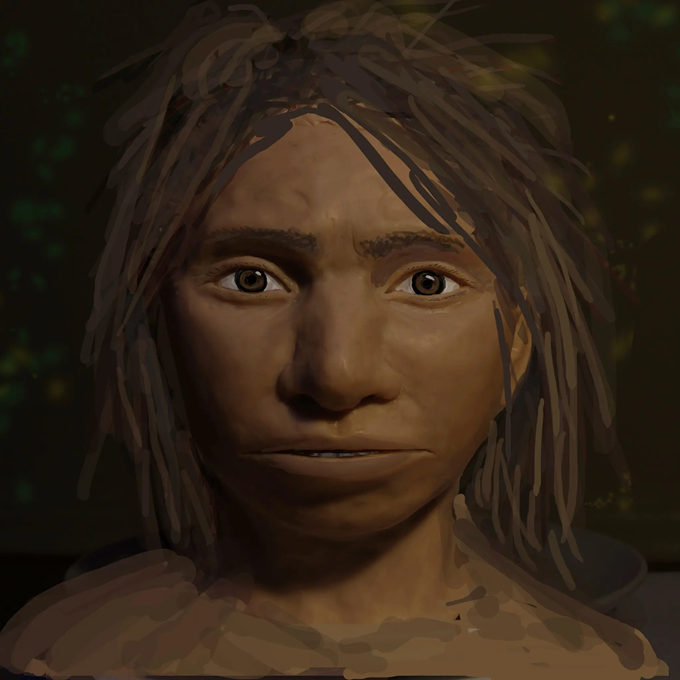
科学迷们,大家好!(Hello again science fans!) Neanderthals (H. neanderthalensis) and Denisovans (H. denisova ??) interbred at various times and places. (The “??” following H. denisova refers to the current situation where insufficient Denisovan fossils exist to firmly classify them.) Modern humans interbred with Neanderthals so today we H. sapiens have varying snippets of DNA derived from Denisovans. Also, study of blood types of these three groups suggest that Rh incompatibility may have affected the health of some hybrids. (By the way, D
Bob Siederer Hello again Science Fans! This year is a leap year, when one day is added to the calendar to account for the difference between the tropical year and the common year. The tropical year is the time it takes Earth to make one complete orbit around the Sun, or 365 days, 5 hours, 48 minutes, and 45 seconds. It would be pretty difficult to have a calendar that matched that exactly, so we use the common year length of 365 days. That means we fall slightly behind the actual year by almost 1/4 day. So every 4 years (with exceptions) we add one day to the calendar, that being February 29, to get back in synch, more or less. Back in the day, namely 46 BC, the Julian cal
Hello Fans and Supporters of Science and Reason! Here’s to The Most Beautiful Science of the Year. I realize that “new year” was over a month ago but consider the
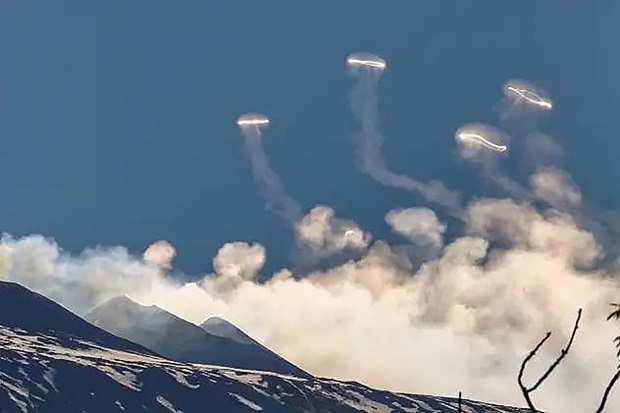
Blowing Smoke with the SciSchmooze
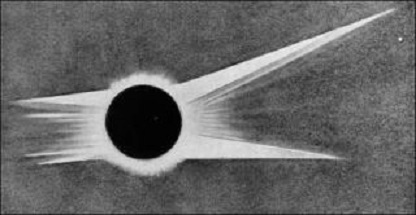
Herb MastersThe Sun, the Moon, the Earth, and the SciSchmooze
8 April 2024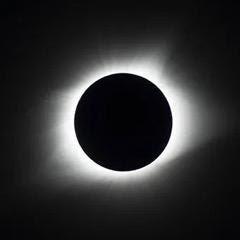
An Easter SciSchmooze
March 31 2024
Bob Siederer
March 24, 2024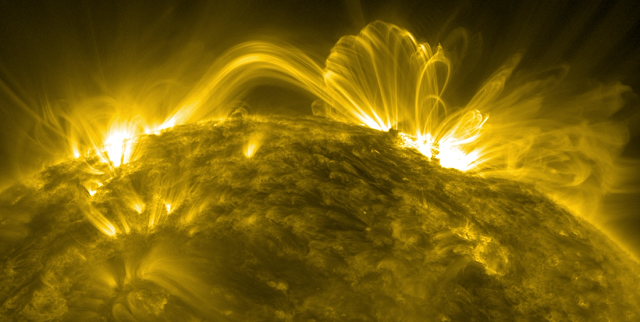
Schmoozing to Equinox
March 19
Reasoning with the Schmooze
3.11.24
Herb Masters
SciSchmoozing the Past & the Present
Taking a Leap with the SciSchmooze
Feb 26 2024
A Dark and Rainy Night with the SciSchmooze
maybe even week! 2.19.24